Don't Delay Mediation Today

Uncategorized

leon seibert 9i5eqBarv k unsplash
Alternative dispute resolution, Dispute Resolution, Uncategorized

The Importance of Clear Contractual Dispute Resolution Procedures

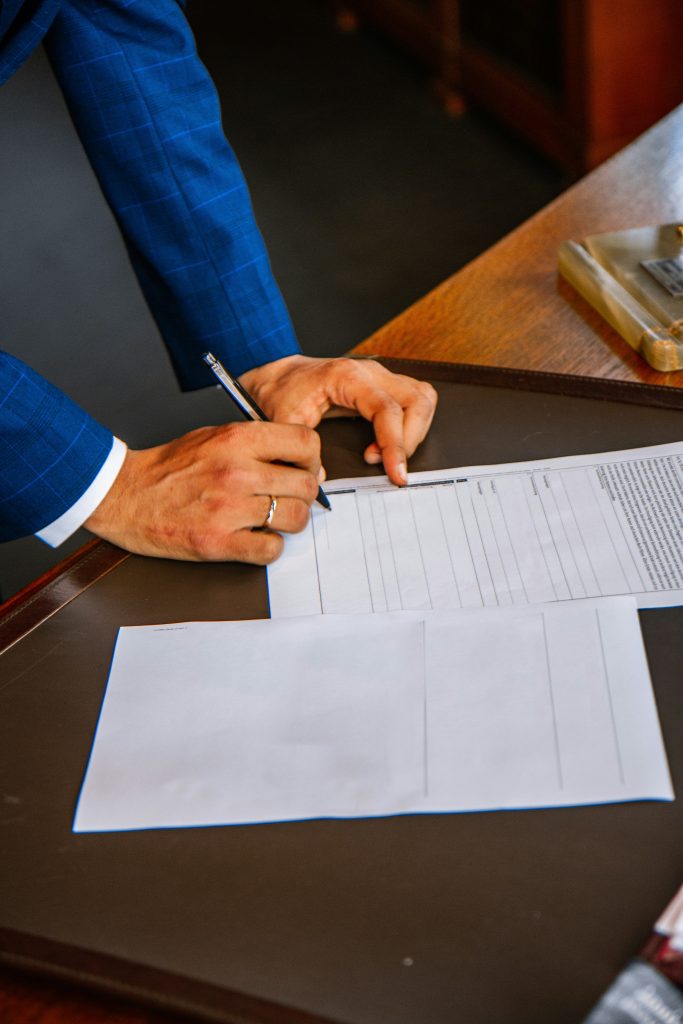
Understanding the Benefits of Mediation and Avoiding Litigation Delays Disputes are an inevitable part of any business relationship. When disagreements arise, it’s crucial to seek efficient and cost-effective solutions that minimize disruption and preserve valuable partnerships. This is where mediation, a form of alternative dispute resolution (ADR), comes into play. The Power of Clear Contractual Language While mediation offers numerous benefits, including confidentiality, flexibility, and cost-effectiveness, its effectiveness often hinges on the clarity of contractual language surrounding dispute resolution procedures (DRPs). A recent case highlights the importance of well-defined DRPs in ensuring that parties involved in a dispute properly engage in mediation before resorting to litigation. The Kajima Case: A Cautionary Tale The case of Kajima Construction Europe (UK) Ltd v Children’s Ark Partnership Ltd serves as a cautionary tale for businesses that rely on DRPs. The court acknowledged the potential for DRPs to act as conditions precedent to legal proceedings, requiring parties to exhaust mediation before initiating litigation. However, the court emphasized the critical role of clear and unambiguous language in crafting enforceable DRPs. Key Takeaways from the Kajima Decision The Kajima case offers several valuable takeaways for businesses: Crafting Effective DRP Clauses To ensure the enforceability and effectiveness of DRPs, businesses should: Conclusion By prioritizing clear and well-defined DRPs, businesses can leverage mediation to resolve disputes efficiently, minimize litigation costs, and maintain positive relationships. Remember, mediation is a powerful tool for navigating conflict constructively and achieving mutually beneficial outcomes. If you find yourself facing a dispute, consider exploring mediation as a viable alternative to litigation. Contact our experienced team of mediators today to learn more about how we can help you resolve your conflict effectively and confidentially.

hush naidoo jade photography pszENPYeVj4 unsplash
Alternative dispute resolution, Dispute Resolution, legal dispute, Medical negligence, Uncategorized

Mediation in Medical Negligence Claims

Introduction Mediation is often presented as a gentler alternative to litigation for injured claimants and their families. However, this perception can lead claimant lawyers to hesitate in recommending it, particularly for stronger or higher-value claims. This article argues that, with the right approach, mediation can be a valuable tool for claimant lawyers, offering clients a wider range of resolution options. What is Mediation? Mediation is a form of alternative dispute resolution (ADR) where a neutral mediator facilitates communication between parties in a legal dispute to reach a mutually agreeable settlement. Unlike court proceedings, mediation is less formal and allows for more flexibility, enabling patients to express their concerns directly to healthcare providers. The mediator cannot force a settlement but helps parties reach an agreement through open discussion and reality checks. Is Mediation Compulsory in Medical Negligence Claims? No, mediation is not compulsory in High Court medical negligence claims. However, the court may require an explanation from any party refusing to participate. Therefore, even committed litigators should be prepared for the possibility of mediation. Proactive Preparation for Successful Mediation Effective mediation hinges on proactive case management. This involves: Mediating with NHS Resolution Despite NHS Resolution’s defensive stance in some cases, successful settlements have been achieved through mediation. This raises questions about their willingness to settle strongly defended claims via ADR, potentially contradicting their stated goal of reducing litigation. While NHS Resolution emphasizes keeping patients away from lawyers and court, their focus on promoting ADR suggests a strategic shift towards demonstrating a higher rate of mediated settlements. Which Cases are Suitable for Mediation? Generalizations about suitability for mediation should be avoided. However, some key considerations include: Beyond the Pleaded Case: Mediation can address broader concerns beyond the formal legal claims. For example, it allowed a client to express frustration about a misdiagnosis and have their medical records corrected, alongside receiving compensation. Sensitive Issues and Closure: In another case, mediation provided a more sensitive forum for acknowledging the client’s suffering and achieving closure compared to a potentially adversarial court hearing. Conclusion Mediation, when approached strategically and with proper preparation, can be a valuable tool in medical negligence cases. It offers clients a wider range of resolution options, potentially leading to quicker settlements, reduced costs, and addressing broader concerns beyond the legal claims. `

istockphoto 1441447491 612x612 1
Uncategorized

Dispute Resolution: From Elders to Mediators

In small communities and families throughout history, disputes were often resolved through the intervention of respected elders or community leaders. These individuals, acting as intercessors, interposers, or intermediaries, would use their wisdom and experience to facilitate communication, understanding, and reconciliation between the parties involved. While these traditional methods of dispute resolution served their purpose, they had limitations. The power dynamics inherent in such close-knit communities could sometimes limit the impartiality of the intervener. Additionally, the lack of formal processes and confidentiality safeguards could make it difficult for parties to feel comfortable and fully express their concerns. The Rise of Modern Mediation In recent decades, mediation has emerged as a more formalized and structured approach to dispute resolution. Mediators are trained professionals who are neutral, impartial, and skilled in facilitating communication and negotiation. They work with the parties involved in a dispute to help them identify their underlying interests, explore potential solutions, and reach mutually agreeable outcomes. Mediation and Traditional Dispute Resolution: Essentially the Same Despite the differences in formality and structure, mediation and traditional methods of dispute resolution share many of the same goals and principles. Both approaches aim to: In essence, mediation is a modern adaptation of the age-old practice of seeking the help of a trusted and impartial third party to resolve a dispute. The Importance of Impartiality and Confidentiality One of the key similarities between mediation and traditional methods of dispute resolution is the importance of impartiality and confidentiality. In both cases, parties must feel confident that the person helping them resolve their dispute is neutral and unbiased. They must also be able to speak freely and openly without fear of the information being shared with others. In the past, people would often turn to elders or community leaders who were known for their fairness and discretion. These individuals were able to provide a safe and supportive space for parties to communicate and find common ground. Mediation: A Modern Approach to Traditional Values Mediation provides a modern framework for upholding the same values that were important in traditional methods of dispute resolution. Mediators are trained professionals who are committed to neutrality, confidentiality, and helping parties reach mutually agreeable solutions. If you are facing a dispute, mediation is a powerful tool that can help you to resolve it in a fair and constructive way.